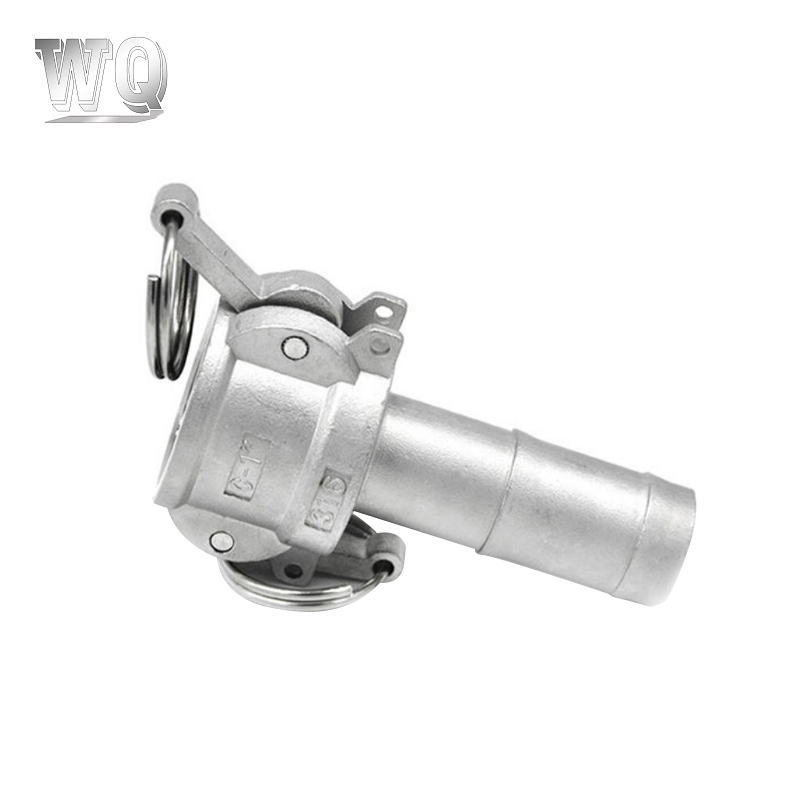




De superioriteit van roestvrijstalen componenten
Roestvrijstalen onderdelen zijn de gouden standaard voor de levensduur en prestaties van barbecuegrills en biedt uitzonderlijke weerstand tegen hitte, corrosie en fysieke slijtage. In tegenstelling tot gietijzer of gecoate metalen heeft hoogwaardig roestvrij staal geen kruiden nodig om roest te voorkomen en behoudt het zijn structurele integriteit onder extreme temperatuurschommelingen. Dit maakt het een ideaal materiaal voor kritische componenten zoals kookroosters, branders en smaakmakers.
Voor grillbezitters die de levensduur van hun apparatuur willen verlengen, is het upgraden naar roestvrij staal een praktische investering. Het vermindert de frequentie van vervangingen en zorgt voor een consistente warmteverdeling, wat essentieel is voor het bereiken van professionele resultaten bij buitenkoken.
Inzicht in graad 304 versus graad 430
Niet al het roestvrij staal is gelijk gemaakt. De twee meest voorkomende kwaliteiten die worden gebruikt bij de productie van barbecues zijn 304 en 430. Kwaliteit 304 bevat hogere niveaus van nikkel en chroom , wat superieure weerstand biedt tegen oxidatie en zure voedingsmiddelen. Het heeft de voorkeur voor kustgebieden of omgevingen met een hoge luchtvochtigheid.
Prestatieverschillen bij gebruik in de echte wereld
Kwaliteit 430 is magnetisch en goedkoper, maar is na verloop van tijd gevoeliger voor oppervlakteroest als het niet regelmatig wordt schoongemaakt. Hoewel geschikt voor interne componenten zoals warmtetenten, is het minder ideaal voor oppervlakken die direct met voedsel in contact komen. Graad 304 blijft niet-magnetisch en behoudt zijn glans en sterkte, zelfs na jarenlange blootstelling aan rook en vet.
| Functie | Grade 304 | Graad 430 |
|---|---|---|
| Corrosiebestendigheid | Uitstekend | Goed |
| Nikkel inhoud | 8-10,5% | Geen |
| Magnetisch | Nee | Ja |
| Beste voor | Roosters, deksels, buitenkant | Branderbuizen, interne frames |
Essentiële onderdelen om te upgraden of te vervangen
Bij het onderhouden of aanpassen van een grill levert de focus op specifieke slijtagegevoelige onderdelen het beste rendement op uw investering op. Kookroosters zijn het meest kritische onderdeel, omdat ze rechtstreeks in wisselwerking staan met voedsel en hoge temperaturen. Roestvrijstalen roosters zorgen voor uitstekende schroeisporen en zijn gemakkelijker schoon te maken dan alternatieven met een porseleinen coating, die na verloop van tijd kunnen afbrokkelen en schilferen.
Branders en smaakrepen
Branders gemaakt van roestvrij staal zijn beter bestand tegen doorbranden en hete plekken dan gealuminiseerd staal. Op dezelfde manier beschermen smaakstaven de branders tegen druipend vet terwijl het wordt verdampt om een rokerige smaak toe te voegen. Het upgraden van deze onderdelen naar zwaar roestvrij staal kan de warmte-efficiëntie aanzienlijk verbeteren en opflakkeringen verminderen.
- Kookroosters: Zoek naar dikke staven (9 mm) voor een betere warmteopslag.
- Warmtetenten: Voorkomt direct vlamcontact en verdeelt de warmte gelijkmatig.
- Vetopvangbakken: Gemakkelijk schoon te maken en bestand tegen zuurophoping.
Onderhouds- en verzorgingstips
Hoewel roestvrij staal duurzaam is, is het niet onderhoudsvrij. Regelmatig schoonmaken is essentieel om koolstofophoping te voorkomen en het uiterlijk te behouden. Vermijd het gebruik van schurende staalwol of schoonmaakmiddelen op chloorbasis, omdat deze de beschermende oxidelaag van het metaal kunnen beschadigen.
Voorkomen van oppervlakteverkleuring
Hoge temperaturen kunnen regenboogachtige verkleuringen of bruinachtige vlekken op roestvrij staal veroorzaken. Dit is normaal en heeft geen invloed op de prestaties. Om het te verwijderen, gebruikt u een speciaal reinigingsmiddel voor roestvrij staal of een pasta van zuiveringszout en water. Regelmatig oliën van roosters vóór het verwarmen zorgt voor een natuurlijk antiaanbakoppervlak en beschermt het metaal.
- Maak roosters schoon terwijl ze nog warm zijn, zodat resten gemakkelijk kunnen worden verwijderd.
- Gebruik een zachte borstel of nylonschrobber om krassen te voorkomen.
- Bedek de grill wanneer deze niet in gebruik is, ter bescherming tegen milieuverontreinigende stoffen.
Kosten-batenanalyse van upgrades
De initiële kosten voor roestvrijstalen onderdelen kunnen hoger zijn dan die voor standaardvervangingen, maar hun levensduur is aanzienlijk langer. Een set hoogwaardige roestvrijstalen roosters kan lang meegaan 5 tot 10 jaar met de juiste zorg, terwijl goedkopere gecoate roosters mogelijk elke 1-2 seizoenen moeten worden vervangen. Deze duurzaamheid op lange termijn maakt roestvrij staal een kosteneffectieve keuze voor serieuze grillliefhebbers.
Door te investeren in hoogwaardige materialen zorgt u voor consistente kookprestaties en vermindert u de verspilling die gepaard gaat met frequente vervanging van onderdelen. Het is een upgrade die zowel de functionaliteit als de esthetische aantrekkingskracht van uw buitenkeuken verbetert.